
Sharkey County Arrest Records and Court Charges
Sharkey County arrest records are the law-enforcement account of a person being taken into custody. When the Sheriff's Department or another agency makes an arrest, the person is booked, and that booking creates the arrest record. It can show the name, the date and time of the arrest, the arresting agency, and the offense the officer wrote down at the scene. That first offense label is not the formal charge. It is the reason given for the arrest, and it can change once a prosecutor takes a closer look at the file.
The court charge record begins later. After an arrest, the county prosecutor handles many local and misdemeanor matters, and the district attorney handles felony cases for the 9th Circuit District. One of them reviews the file and decides which charges the State will pursue. Those charges are filed with the court clerk, and from that point the charge record, not the arrest sheet, drives the case. Booking and custody detail sit on the jail side, so for the roster and release status see the inmate records page, while the full case file and the final outcome live with the criminal court file.
How to Find Sharkey County Arrest Records and Charges
Sharkey County does not run a public online portal for arrest logs, a jail roster, or a charge index, so a search means going office by office. The arrest and booking side is held by the Sheriff's Office, and the charge side is held by the courts. Justice Court records cover the initial appearance and the sworn affidavit that opens a felony or misdemeanor matter, while the Circuit Clerk holds the felony case file once a grand jury acts. Many court files can be reached through Mississippi Electronic Courts, the state e-filing system, which needs a login and does not cover every record type.
- Start with the court that fits the charge: call the Justice Court clerk at 662-873-6140 for misdemeanor and initial-appearance matters, or the Circuit Clerk at 662-873-2755 for felony case files.
- Search by the defendant's full name, or by the case or citation number if you already have it, since exact names return cleaner results.
- Open the case and read the full charge list, because one arrest can produce several separate counts.
- Check each charge for its statute code, its level, and its current status, then note whether the count is still pending, was amended, or was closed.
For the booking side, send a public-records request to the Sheriff's Office for jail docket or booking data, and describe the person and the date range. If the question is about state-prison custody or a statewide criminal history, the lookups roll up to state agencies covered further down this section.
How Charges Get Filed After an Arrest: Complaint, Information, and Indictment
The arrest comes first, at booking, but the charge record does not open until a charging document is filed. That document is the State's formal claim that a named person broke a stated law. In Sharkey County a misdemeanor or local matter often starts on a sworn affidavit or complaint in Justice Court, where judges hold sessions at the jail three times each week so an arrested person gets an initial appearance within three days. A felony moves on to Circuit Court, where the grand jury issues an indictment. The three main charging documents differ by who files them and by how serious the offense is.
| Complaint | Information | Indictment | |
|---|---|---|---|
| Filed By | Officer or prosecutor on a sworn affidavit | Prosecutor, with no grand jury | Grand jury, on the State's evidence |
| Common For | Misdemeanors and local matters | Some felonies, often by waiver | Serious felonies |
| Court | Justice or Municipal Court | Circuit Court | Circuit Court |
| Starts | The case | The case | The case |
Charge Codes and Severity Levels
Each charge is tied to a section of the Mississippi Code, and that code number is the key to what the count really means. The code points to the exact law said to be broken, and it also fixes the severity level. A felony is the most serious class and is the kind of charge that moves to Circuit Court, where a grand jury and a jury may take part. A misdemeanor is a lesser charge, often handled in Justice or Municipal Court, and it can still carry a fine or jail time. The lowest rung is a basic infraction, such as many traffic and ordinance counts, which tends to bring a fine rather than a jail term.
One arrest can spread into several charges at once, each with its own code and its own level. A single stop might yield a felony count, a misdemeanor count, and a traffic count, and each is tracked on its own line with its own status. Reading the statute code on each count is the surest way to tell a felony from a lesser charge, since the offense name alone can be vague. For free help in reading the law behind a charge, the legal-research archive at CourtListener hosts court opinions and statutes that explain how Mississippi courts apply a given section. It is a research tool rather than a county record source, so use it to understand a charge, not to confirm a local case status.
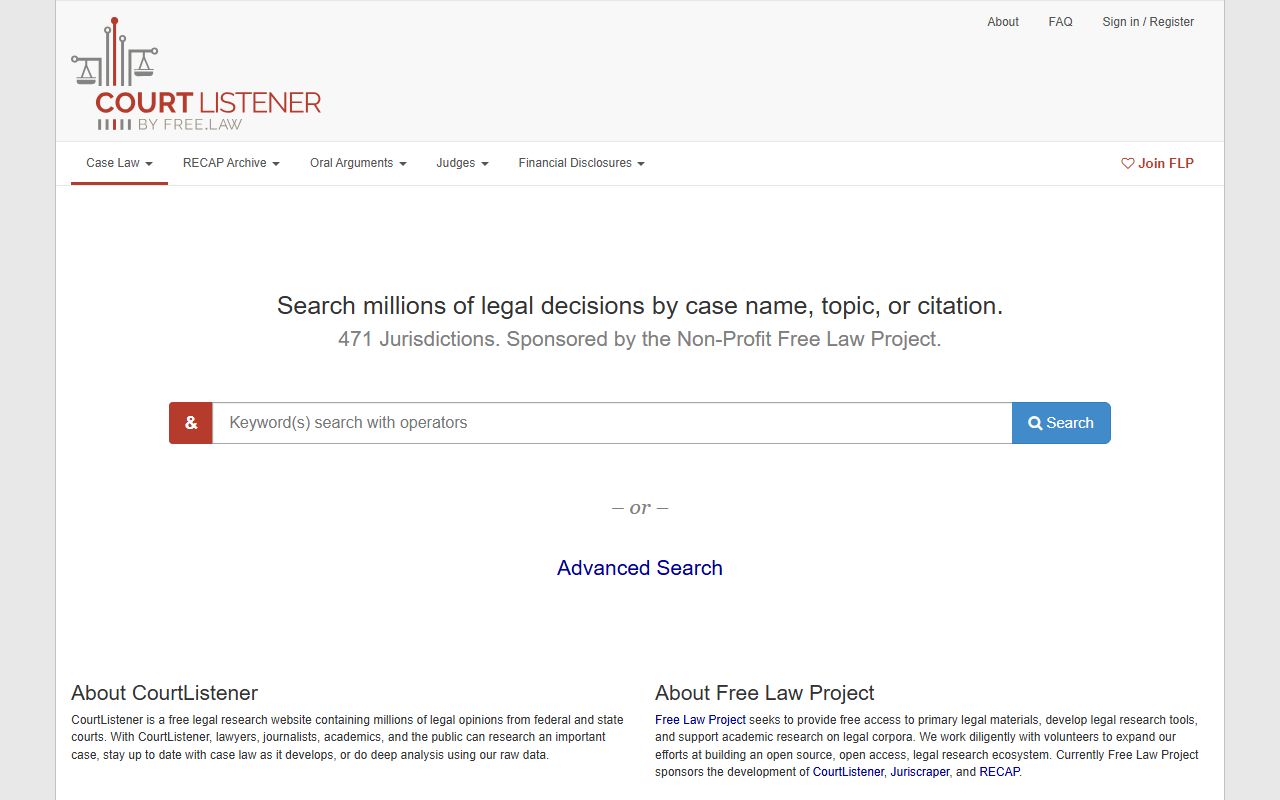
Pairing a charge code with the matching opinion or statute makes the severity level clear and shows the range of penalties a court may weigh. That context helps when an arrest sheet and a filed charge use different labels for the same event.
Charge Status and What It Means
Charges rarely stay frozen from the arrest to the end of a case. As evidence comes in and both sides argue, a count can be amended, reduced, added, dropped, or dismissed. The prosecutor may swap a felony for a lesser charge in a plea deal, or a judge may toss a count for lack of proof. Because of this, the status field on a charge is as important as the charge name, and a record read months apart can show very different standings. The terms below are the ones seen most often on a Sharkey County charge record.
| Status | What It Means |
|---|---|
| Pending | The charge is filed and open, with no plea, trial, or final ruling yet. |
| Amended / Reduced | The charge was changed, often to a lesser count, by the prosecutor or by court order. |
| Dismissed | The court ended the charge, so it is no longer pursued, sometimes with or without the right to refile. |
| Nolle Prosequi | The prosecutor chose to drop the charge and not move forward at this time. |
Charges vs. Convictions
A charge is a claim, not a result. When the State files a charge, it is saying it has cause to believe a person broke the law, but the person is still presumed innocent. A conviction is what happens at the end if a plea or a verdict finds the person guilty. The gap between the two matters a great deal, since a record can show a charge that was later dropped, reduced, or thrown out, and that is not the same as a finding of guilt. The table below lays the two side by side.
| Charge | Conviction | |
|---|---|---|
| Stage | Accusation at filing | Verdict or guilty plea |
| Burden of Proof | Probable cause | Beyond a reasonable doubt |
| Means Guilt | No, still presumed innocent | Yes, found or pleaded guilty |
| Public Record | Yes | Yes |
Statewide and Federal Charge Lookups
When a charge or arrest does not show up in a county file, it may live at the state level. Charges filed across Mississippi roll up into a statewide criminal history kept by the Department of Public Safety, and persons sentenced to state prison appear in the Department of Corrections inmate search rather than at the county jail. The Mississippi Public Records Act backs access to county and state public records, though it does not override sealing orders, youth-court rules, or redaction duties. For court files, the state e-filing system can reach many case dockets once you hold a login.
Some matters arising in Sharkey County are federal, not state, and those records sit in a separate system. The county falls under the federal courts for the Southern District of Mississippi. The U.S. Bankruptcy Court for the Southern District of Mississippi is one federal portal in that system, and its site shows how federal court records are kept apart from county arrest and charge files.
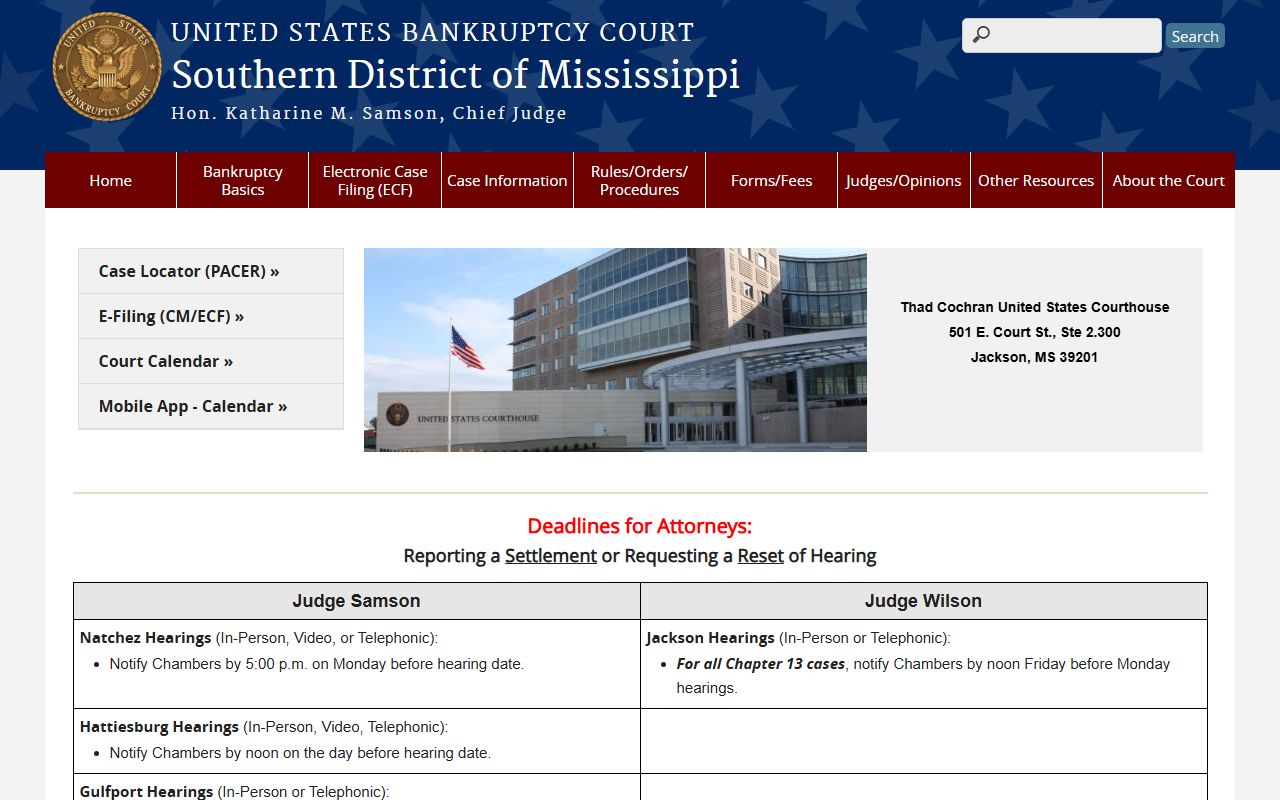
Federal filings, whether civil or criminal, are searched through the federal electronic case system, not at the county courthouse. The federal CM/ECF e-filing portal is where registered users open and read federal dockets for the district.
If a federal charge ends in a conviction and is appealed, the review goes to the federal appeals court that covers Mississippi. The U.S. Court of Appeals for the Fifth Circuit hears those appeals, and its opinions can shed light on how a federal charge was handled.
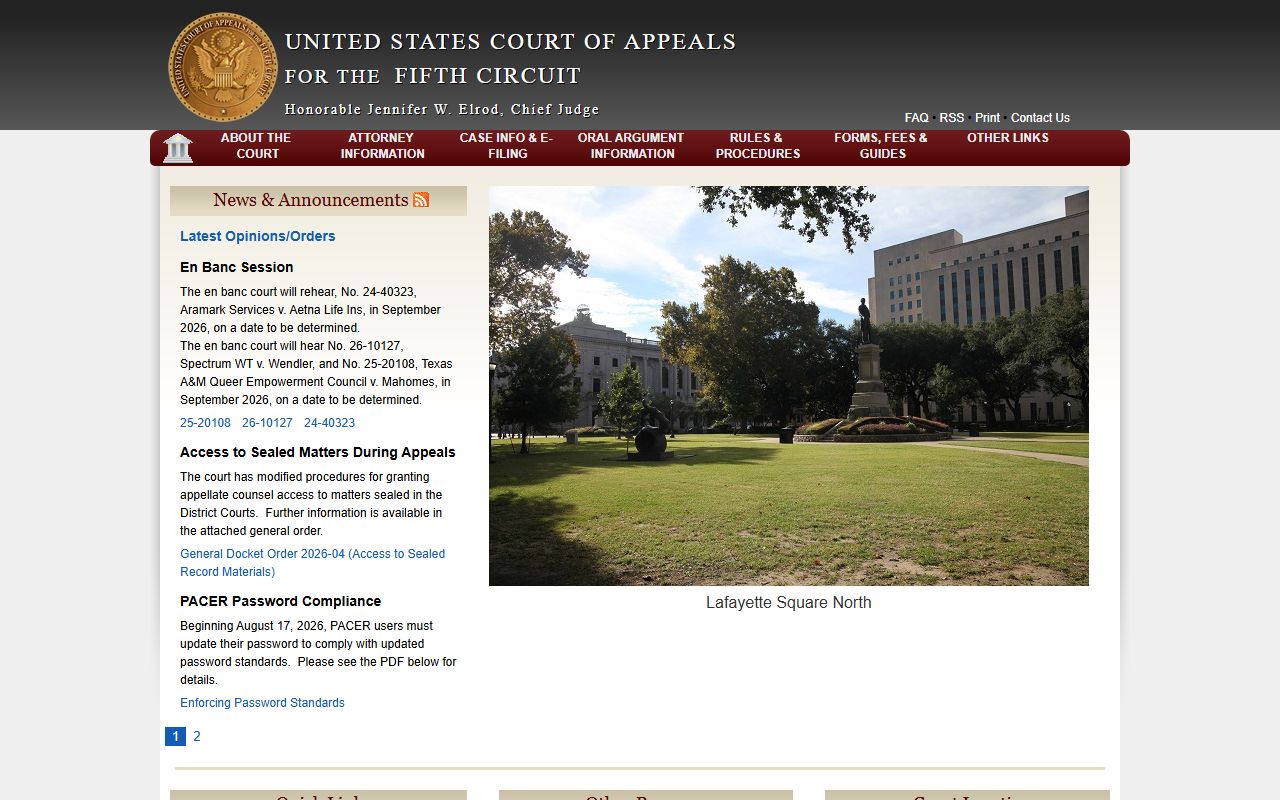
These federal tools matter only for the small share of cases that are federal. Most Sharkey County arrest and charge records stay with the local sheriff and the state courts.
Sealed vs. Expunged Records
Not every charge stays open to the public for good. Mississippi law lets some charges and convictions be sealed or expunged, and the two are not the same. A sealed record still exists but is shut off from ordinary public view, while an expunged record is removed and treated as though it never existed for most purposes. An expunction request starts in the court that handled the charge, whether that is Justice, Municipal, or Circuit Court, and the judge decides if the charge fits the statute. The table below sets out the main difference.
| Sealed | Expunged | |
|---|---|---|
| Visibility | Hidden from public view | Removed and treated as never existed |
| Law Enforcement | Limited access remains | Very limited access |
| Eligibility | Set by court order and statute | Eligible misdemeanors and some felonies through the court of conviction |
No Sharkey-specific expunction packet or local filing fee was found online, so a person who wants to clear a charge should call the Circuit Clerk or the Justice Court clerk, or speak with an attorney, before filing. Court staff may also confirm only that no public record exists rather than discuss a sealed file.
Who Files Charges After an Arrest
An arrest and a charge come from different hands. An officer makes the arrest, but the choice to charge belongs to a prosecutor. In Sharkey County the county prosecutor handles many misdemeanor and local matters, and prosecutes for the State in the county courts. Felony cases for the 9th Circuit District, which covers Sharkey, Issaquena, and Warren counties, are handled by the district attorney based in Vicksburg. The prosecutor weighs the file, the proof, and the law, then decides whether to file, what to file, and at what level.
Because the prosecutor controls the charge and not the arresting officer, the offense on a booking sheet can differ from the count that is finally filed. The prosecutor may add counts, drop them, or trade a serious charge for a lesser one. Judges then rule on motions and orders as the case moves, but they do not bring the charge. Knowing this split helps when an arrest record and a court file seem to disagree, since each was created by a different office at a different stage.
Background Check Considerations
A casual name search is not the same as a background check run under the law. A formal background check used for hiring, housing, or credit must follow the federal Fair Credit Reporting Act, which sets rules on accuracy, notice, and the right to dispute. A quick public-record lookup carries none of those duties and can be out of date or incomplete, since a charge may have been dropped or expunged after the file was copied. For any decision with legal weight, a regulated screening firm and the originating court office are the right sources.
Important: Sharkey County Court Records is not a consumer reporting agency under the FCRA, and its information may not be used for credit, employment, tenant, insurance, or any other FCRA-regulated decision.
Restricted Charge Records in Sharkey County
Some charge records are closed by law even when most case files stay open. Youth-court matters are confidential under Mississippi statutes and are not searchable like adult cases, so juvenile charges do not appear in an ordinary public lookup. Sealed and expunged charges are likewise held back, and staff may confirm only that no public file exists. Records tied to an open investigation, a sealed warrant, or protected victim and minor details can also be withheld or redacted. Personal identifiers such as Social Security numbers, financial account numbers, and protected addresses are commonly removed from otherwise public records. If a charge a person expects to find does not appear, the cause is often one of these limits rather than a gap in the file. For an active warrant tied to a charge, the warrant records page covers how those are confirmed.