
Where to Check for a Sharkey County Warrant
Sharkey County has no single online tool that lists active warrants. There is no most-wanted page and no sheriff app that searches warrants. To find out whether a warrant exists, you have to ask the office that would hold it. That means a short chain of phone calls and, at times, an in-person visit or a written records request.
Warrants here come from more than one court. A judge signs them. A missed Justice Court date, an unpaid fine, a county citation, or a felony charge can each lead to a different kind of warrant in a different place. The table below maps each court or agency to the warrants it tends to handle and how to reach it. Start at the top and work down until you find the match.
| Court or Agency | Warrants It Tends to Handle | How to Reach It |
|---|---|---|
| Sheriff's Office | Custody questions, plus public warrant and booking data on file | 662-873-1500, 120 Locust St., Rolling Fork |
| Justice Court | Bench warrants for missed dates, unpaid fines, county citations, DUIs, and misdemeanors | 662-873-6140 |
| Circuit Court / Circuit Clerk | Felony warrants and indictments once a case is filed | 662-873-2755 |
| Municipal Court / city police | City traffic and ordinance bench warrants | Call the city police department |
| MDOC | Parole and probation holds for state-sentenced persons | mdoc.ms.gov |
| U.S. Marshals / federal court | Federal warrants and detainers | usmarshals.gov |
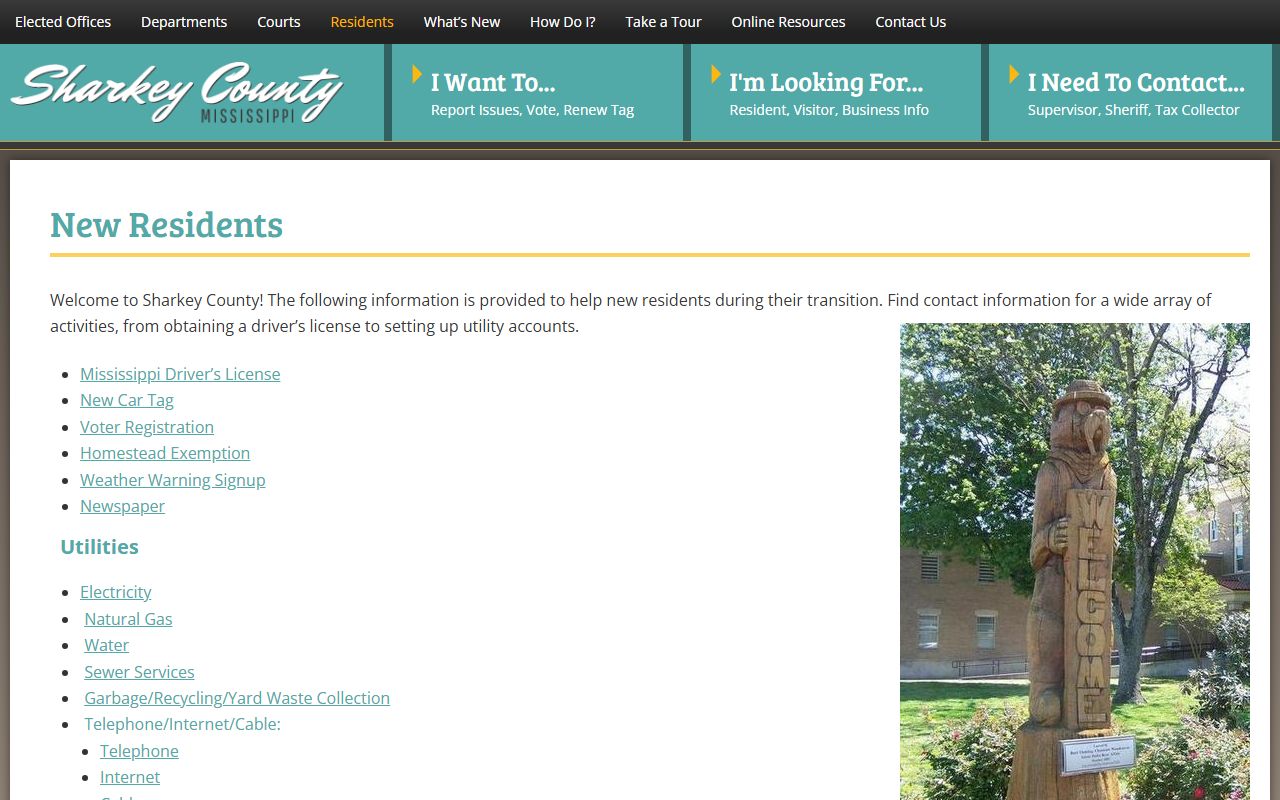
People who are new to the area often do not know which office to call first. The county's official website keeps a new residents page that points newcomers to county departments, including how to reach the Sheriff's Office and the courts. It does not host a warrant lookup, so the page is a starting map, not a search tool. Use it to find the right phone number, then call the office direct.
Types of Warrants in Sharkey County
Not every warrant means the same thing. The type tells you who signed it, why, and which office can clear it. A bench warrant from a missed traffic date is handled in a very different way than a felony arrest warrant. Knowing the type helps you ask the right questions and avoid wasted calls.
- Arrest warrant - issued when a judge finds legal cause to arrest a named person for a crime.
- Bench warrant - signed by a judge, most often for a missed court date, contempt, or breaking a court order.
- Capias / capias pro fine - an order to take a person into custody after a failure to appear or pay a fine. Capias is a writ that directs an arrest.
- Search warrant - lets officers search a place. It is often sealed before it is served, so it is not a public lookup record while active.
- Fugitive warrant or hold - based on a warrant from another state or county.
- Probation or parole hold - placed by a state supervision authority on a person who is under MDOC watch.
Felony warrants deserve extra care. A felony case may begin with an arrest warrant, move through a Justice Court initial appearance, and then land in Circuit Court once it is filed or indicted. The full case path is laid out on the criminal court records page.
How to Verify a Sharkey County Warrant
Because there is no live search portal, you verify a warrant by going to the source. Call the court named on a ticket or case. If you do not know the court, call the Sheriff's Office. A clerk can tell you whether a warrant is active, what it is for, and what you need to do next. Phone and in-person contact remain the main channels in this county.
For records held by the Sheriff, you can also send a written public records request. The Mississippi Public Records Act, Miss. Code Ann. Section 25-61-1, supports access to county public records such as a jail docket or booking entry. A clear request names the person, the record type, and a date range. Keep in mind that active investigations and sealed warrants may be withheld, so a response is not guaranteed for every name.
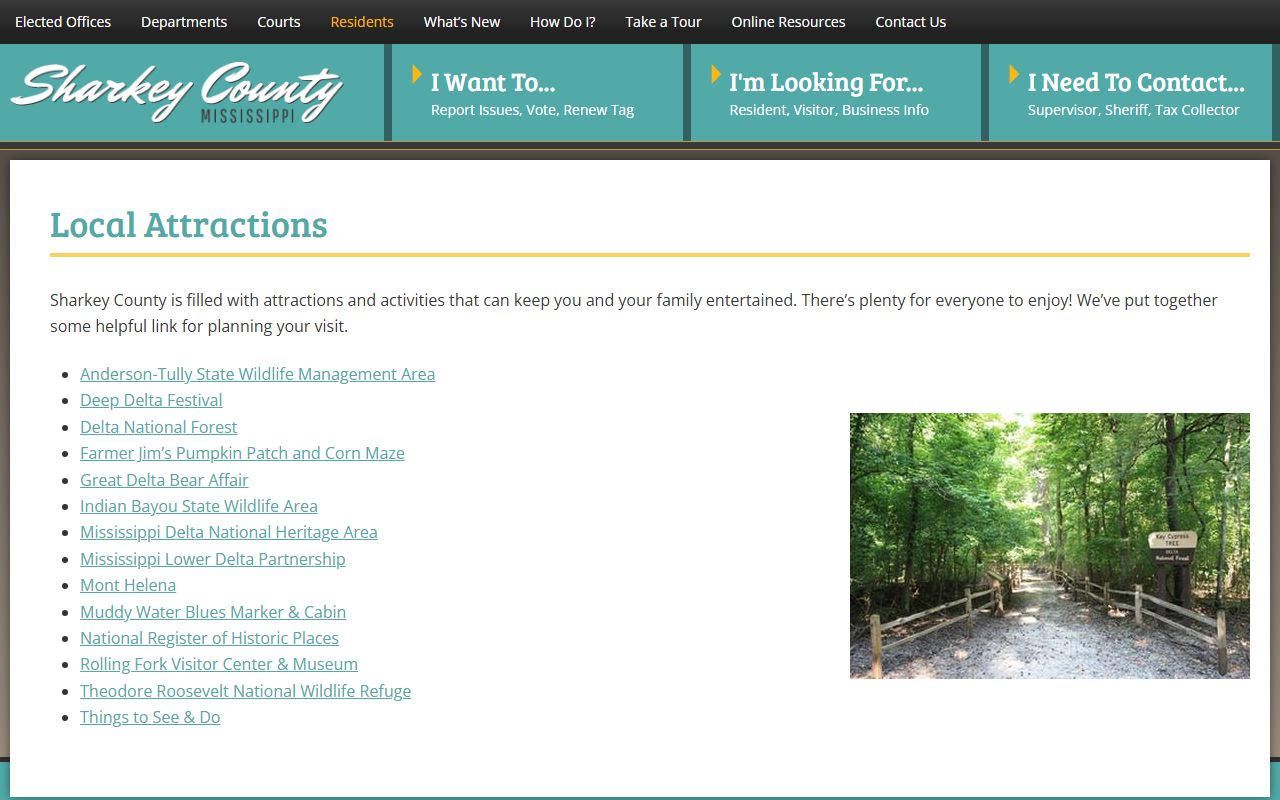
The same official county site that lists the Sheriff's Office also runs a local attractions page for Rolling Fork and the surrounding Delta. It is useful context for who runs the county website, but it is not a records tool. None of these county pages include a searchable warrant list, so treat them as a directory rather than a database.
Warrant Information Fields That May Be Released
No official Sharkey County public warrant listing was available to inspect, so the fields below describe what a warrant entry could show if an office chooses to release it. This is not a live Sharkey database, and the county does not post these fields online. The list reflects what typical public warrant data may contain when a court or agency shares it by phone, in person, or through a records request.
| Field | What It Would Show |
|---|---|
| Name | The full legal name of the person named in the warrant. |
| Warrant Number | The number a court or agency assigns to track the warrant. |
| Charge or Offense | The crime or violation behind the warrant. |
| Issuing Court | The court that signed it, such as Justice Court or Circuit Court. |
| Date Issued | The day the judge signed the warrant. |
| Bond Amount | The set bond, if any, needed to secure release. |
| Issuing Agency | The sheriff or police agency that sought or holds the warrant. |
| Instructions | Where and how to respond, appear, or surrender. |
Sample Warrant and Booking Record Fields
If the Sheriff's Office releases public booking or jail-docket data tied to a warrant, the record may carry more than the warrant itself. Booking entries blend warrant facts with custody facts. The sample inventory below shows the data points such a record could include. No official Sharkey roster confirms these fields, so treat the list as a guide to what may appear, not a promise of what is online.
- Full name of the person booked.
- Booking date and time.
- Arresting agency.
- Charge or offense description.
- Bond amount and type, if set.
- Warrant or case number, if available.
- Court of the initial appearance.
- Release date or status, if released.
- Housing or facility detail, if it is released to the public.
A booking photo may or may not be released. The county does not publish an online jail roster, so the way to confirm custody is to call the Sheriff's Office. The inmate records page explains the state and federal fallbacks for someone already in custody.
How to Resolve an Outstanding Warrant
An open warrant does not go away on its own. The faster route is to deal with it through the court or sheriff, not a third-party site. Work the steps in order. Each one moves you closer to a clean record and a written proof that the warrant is closed.
- Do not trust third-party warrant websites. Verify with the issuing court or the Sheriff's Office.
- Call the court named on your ticket or case. If you do not know which court, call the Sheriff's Office.
- Ask whether the warrant is active, which court issued it, whether bond is set, and whether you can get a new court date.
- For a Justice Court failure to appear or pay, ask Justice Court about payment, a new setting, or a recall.
- For a felony warrant, talk to an attorney. The Circuit Clerk and District Attorney context may matter.
- If you plan to turn yourself in, ask where to report, what ID to bring, and whether you can post bond.
- After it is resolved, get written proof that the warrant was recalled, quashed, or satisfied, and confirm the update with every agency involved.
What to Do If You Have a Warrant
If you learn a warrant is out for you, slow down and plan. A voluntary surrender, set up through counsel, often goes better than an arrest at home or work. Sharkey County also moves arrested persons through court fast. Justice Court judges hold sessions at the jail three times each week, so a person booked into custody gets an initial appearance within three days of arrest. Bond may be set at that first hearing.
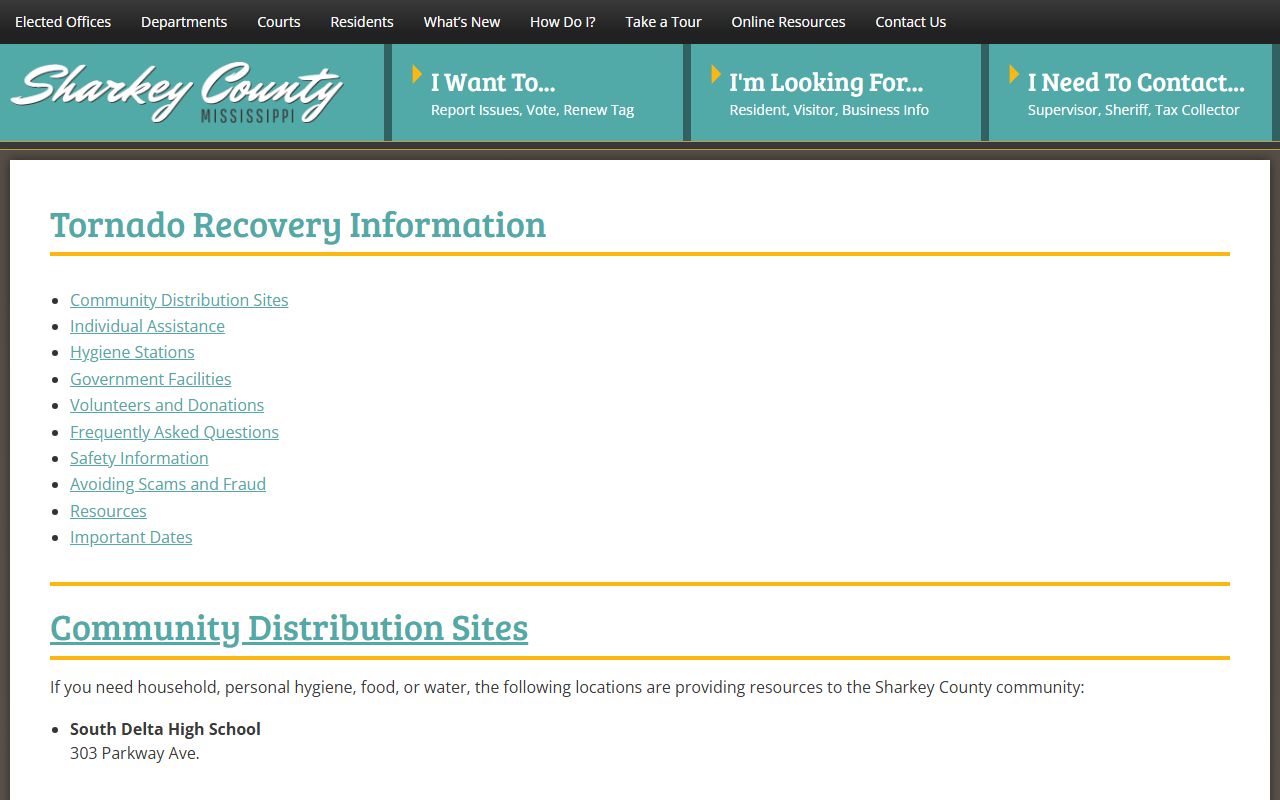
Before traveling to the courthouse or jail, confirm that the office is open. The March 2023 tornado damaged the Rolling Fork courthouse area, and the county still tracks repairs on its tornado recovery information page. Recovery work can change hours and access. A quick call before you drive in saves a wasted trip.
Important: Talk to a lawyer before you turn yourself in. Counsel can confirm the warrant, arrange a surrender, and help with bond so you are not held longer than you need to be.
Statewide and Federal Warrant Channels
Some warrants sit outside the county system. If the person is on parole or probation, a hold may come from the Mississippi Department of Corrections rather than a local court. MDOC tracks state-sentenced people and the terms of their release. For that context, the state corrections office is the right place to ask.
Federal warrants are a separate track too. The U.S. Marshals Service and the federal courts handle warrants and detainers for federal crimes, not the county jail alone. A federal matter for Sharkey County routes through the U.S. District Court for the Southern District of Mississippi. If a warrant may be federal, the U.S. Marshals for the Southern District are the agency to contact.
Restricted Sharkey County Warrant Records
Not every warrant is open to the public. The Public Records Act supports access to county records, but it does not override court sealing, youth-court confidentiality, or a duty to redact sensitive data. Some warrants stay out of view by law or by order.
Search warrants are a common example. They are often sealed before they are served so the search is not tipped off, which means they are not a public lookup record while active. Youth court records are confidential under Mississippi law and are not searchable like adult cases. A sealed warrant may still exist, yet staff may only confirm that no public record is available rather than share the details.
Personal data can also be held back. Social Security numbers, financial account numbers, minor names, protected addresses, victim identifiers, and some law-enforcement-sensitive details may be redacted from an otherwise public record. When a record is withheld, ask the office why, and ask whether a court order or attorney request could open access.